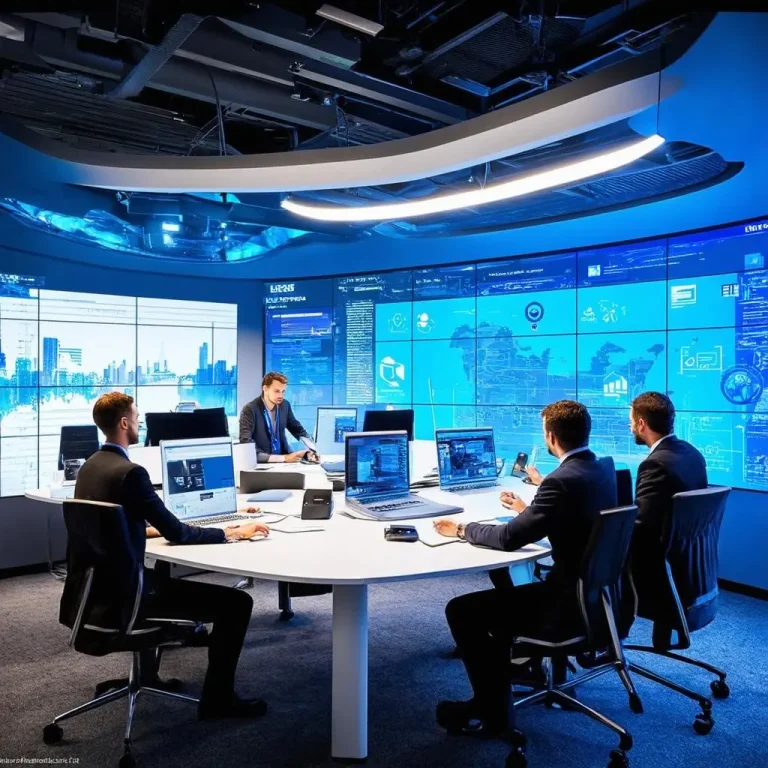
As businesses and organizations continue to embrace digital transformation, cloud-based solutions have become essential in the realm of AV integration. These technologies offer unparalleled flexibility and scalability, allowing AV systems to be managed and operated remotely. With cloud platforms, companies can easily update software, monitor system performance, and troubleshoot issues without needing on-site personnel. This shift is particularly beneficial for IT managers and AV integrators who are responsible for maintaining systems across multiple locations.
Additionally, cloud-based AV solutions foster enhanced collaboration and communication across teams, making it easier to share resources and information. As these technologies evolve, we can expect to see wider adoption of cloud-integrated AV systems, providing more streamlined and efficient operations within corporate and public environments.
The Role of Artificial Intelligence in Automated AV Systems
Artificial intelligence (AI) is rapidly becoming a game-changer in the AV industry. AI-powered systems offer automation capabilities that are transforming how AV technology is used and managed. For instance, AI can enable smart features like automatic audio calibration, voice recognition, and adaptive display technologies that adjust to different lighting conditions and user preferences.
Moreover, AI-driven analytics can help AV professionals gain insights into system usage and performance, leading to more informed decision-making and optimization of resources. As AI technology continues to mature, it will undoubtedly play a pivotal role in enhancing user experience and operational efficiency in AV systems.
Enhanced User Experiences with Augmented and Virtual Reality
Augmented Reality (AR) and Virtual Reality (VR) are no longer just buzzwords; they are becoming integral components of the AV landscape. These immersive technologies offer unique opportunities for creating engaging and interactive experiences in various settings, from corporate training sessions to public exhibitions.
Incorporating AR and VR into AV systems can revolutionize how information is presented and consumed, offering users a more dynamic and engaging experience. As the technology advances, AV professionals can leverage AR and VR to craft bespoke solutions that meet the specific needs of their clients, further solidifying the role of AV integration in enhancing user experiences.
Sustainability and Energy Efficiency in AV Systems
With increased awareness of environmental issues, there is growing demand for sustainable and energy-efficient AV solutions. AV integrators are now focusing on deploying systems that not only deliver high performance but also minimize energy consumption and reduce carbon footprint.
Energy-efficient technologies such as LED displays, smart sensors, and eco-friendly materials are becoming standard in AV installations. Companies are actively seeking out these solutions to align with their sustainability goals and regulatory requirements. As this trend continues, AV professionals will need to prioritize sustainability in their projects to remain competitive and relevant in the market.
Embracing the Future: Staying Ahead in the Dynamic AV Landscape
The future of AV integration is bright, with new technologies and innovations constantly emerging. For AV professionals, staying updated on these trends is crucial to maintaining a competitive edge and delivering value to clients. By embracing cloud-based solutions, AI-driven automation, immersive AR and VR experiences, and sustainable practices, AV specialists can enhance operational efficiency and create more impactful and engaging environments.
As the industry continues to evolve, being proactive and adaptable will be key to harnessing the full potential of these innovations and driving success in the world of AV integration.

- Transforming Workspaces: The Future of AV Integration - February 19, 2025
- Transforming Remote Work: How AV Technology is Paving the Way - February 18, 2025
- Revolutionizing AV Integration: Embrace the Cloud - February 17, 2025