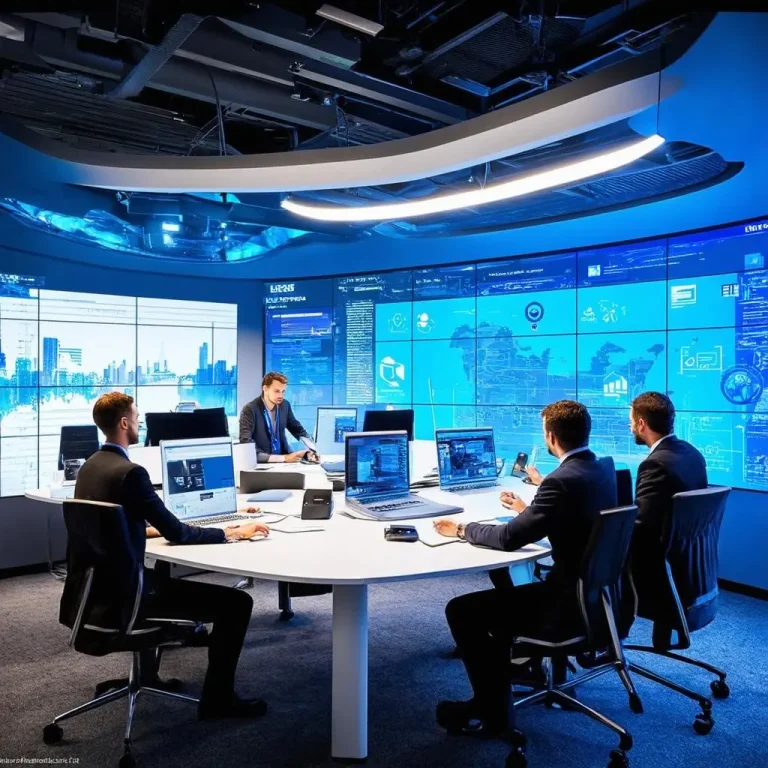
The first step in integrating audiovisual technology into modern workplaces is to thoroughly assess your organization’s specific needs. This involves identifying the types of interactions that occur most frequently. Are meetings more presentation-focused or collaborative? Do you host large-scale video conferences or smaller team huddles? Understanding these dynamics will help in selecting the appropriate AV tools, ensuring that they are both relevant and impactful. Consider the spaces you need to equip—boardrooms, huddle rooms, or open-plan offices, each requiring different setups. Tailoring solutions to these environments ensures that the technology enhances productivity without being intrusive.
Best Practices for AV System Installation
Installing an AV system requires careful planning and execution to ensure seamless integration. Start with a solid infrastructure by ensuring your network can handle the increased data load, particularly for video conferencing solutions. Cable management is crucial to maintain a clean and professional space—use concealed wiring where possible. Make flexibility a priority; opt for modular equipment that allows for easy upgrades as technology advances. Involve all stakeholders early in the planning stages, including IT managers, who can provide insights on compatibility with existing systems and potential future needs. Remember, an effective AV installation is one that integrates smoothly with your workplace’s daily operations, minimizing disruptions.
Leveraging the Latest Innovations
Staying up-to-date with the latest AV innovations can significantly enhance productivity and collaboration. Embrace wireless presentation systems to enable seamless connectivity and sharing among devices without the chaos of cables. Consider advanced video conferencing tools that incorporate AI for features like real-time transcription and smart framing. Interactive displays can convert any meeting into a dynamic collaboration session, allowing team members to interact with content directly. Additionally, cloud-based management platforms offer centralized control over all AV assets, simplifying maintenance and updates. These innovations not only boost efficiency but also create a more engaging work environment.
Choosing the Right Tools for Your Corporate Environment
Selecting the right tools hinges on a clear understanding of your corporate culture and environment. For larger organizations, solutions that support scalability and robust security controls are essential. Smaller businesses might prioritize cost-effective solutions that offer flexibility. Prioritize user-friendly interfaces to ensure all employees can easily adapt to and utilize the new systems. When evaluating options, consider the total cost of ownership, including installation, maintenance, and potential training needs. Consulting with experienced AV integrators can provide valuable insights into the most appropriate solutions tailored to your specific needs.
Tips for Continuous Optimization
Finally, it’s crucial to view AV integration as an ongoing process. Regularly assess the performance and effectiveness of your systems, gathering feedback from users to identify areas for improvement. Schedule routine maintenance to prevent unexpected downtimes and extend the lifespan of your equipment. Stay open to emerging technologies and trends, as they can offer new opportunities to improve workplace efficiency and engagement. By remaining proactive and flexible, you ensure that your AV systems continually evolve to meet the changing demands of the modern workplace.
By following these strategies, AV professionals, integrators, and IT managers can effectively enhance their AV systems, helping their organizations operate smoothly and efficiently in today’s fast-paced work environments.

- Transforming Workspaces: The Future of AV Integration - February 19, 2025
- Transforming Remote Work: How AV Technology is Paving the Way - February 18, 2025
- Revolutionizing AV Integration: Embrace the Cloud - February 17, 2025