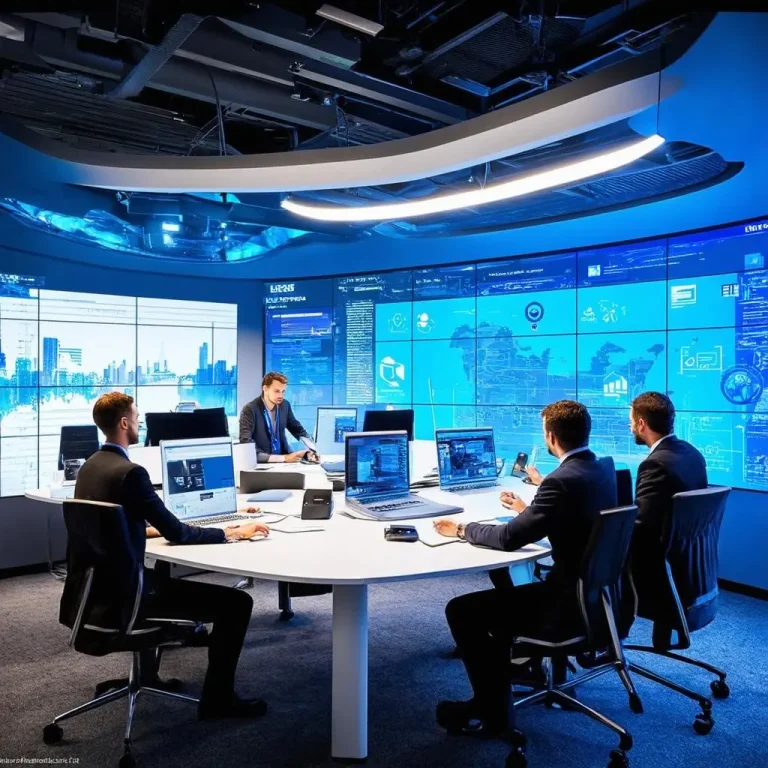
In today’s fast-paced world, organizations are increasingly turning to hybrid AV solutions to effectively bridge the gap between physical and digital spaces. These solutions are not just a trend but a necessity, driven by the need for flexibility and enhanced user engagement. Let’s dive into how hybrid AV solutions are transforming the audiovisual landscape and explore some key technologies and best practices that AV professionals are adopting to stay ahead.
Understanding Hybrid AV Solutions
Hybrid AV solutions combine traditional audiovisual systems with digital technologies to create an integrated environment that supports both in-person and remote experiences. This blend allows organizations to cater to diverse audiences and meet varied demands. By offering a seamless user experience, hybrid solutions ensure that meetings, presentations, and events are engaging regardless of whether participants are physically present or joining virtually.
Latest Industry Trends
The rise of hybrid AV solutions is powered by several noteworthy trends. Firstly, the demand for flexibility is paramount. Organizations are seeking systems that can easily adapt to different formats and locations. Secondly, user engagement is a major focus, with interactive displays, virtual collaboration tools, and immersive technologies such as augmented and virtual reality gaining traction.
Furthermore, artificial intelligence and machine learning are being harnessed to enhance AV systems’ capabilities, allowing for automated adjustments and personalization of user experiences. These advancements not only improve the functionality of AV setups but also make them more intuitive and user-friendly.
Key Technologies in Hybrid AV
Several technologies are at the forefront of the hybrid AV revolution. Cloud-based platforms enable seamless integration and scalability, allowing organizations to manage and update their AV systems with ease. Video conferencing tools like Zoom and Microsoft Teams continue to evolve, offering enhanced features such as real-time translation, noise suppression, and breakout rooms.
Interactive whiteboards and digital signage also play a vital role in creating dynamic environments that enhance collaboration and communication. Moreover, IoT devices are increasingly being integrated into AV systems, providing data-driven insights into room usage and user preferences, leading to more efficient space management.
Best Practices for AV Professionals
For AV professionals looking to implement or enhance hybrid solutions, adopting certain best practices can be beneficial. It’s crucial to focus on user-centric design, ensuring that systems are intuitive and cater to the needs of all users, whether onsite or remote. Regular training and support can help users maximize these systems’ potential.
Additionally, scalability and flexibility should be at the core of any AV strategy. As organizational needs evolve, so too should the AV solutions. By investing in systems that can be easily upgraded and expanded, businesses can ensure that their AV infrastructure remains future-proof.
Security is another critical consideration, with data protection and privacy concerns becoming increasingly important in hybrid environments. AV professionals should ensure robust security measures are in place to safeguard sensitive information and maintain trust with users.
Conclusion
As hybrid AV solutions continue to gain traction, they offer exciting possibilities for organizations looking to enhance their physical and digital environments. By staying informed about the latest trends and technologies, and applying best practices, AV professionals can create engaging and flexible systems that meet the growing demands of today’s hybrid world. In this rapidly evolving landscape, embracing hybrid solutions not only enhances operational efficiency but also drives greater user engagement and satisfaction.

- Transforming Workspaces: The Future of AV Integration - February 19, 2025
- Transforming Remote Work: How AV Technology is Paving the Way - February 18, 2025
- Revolutionizing AV Integration: Embrace the Cloud - February 17, 2025