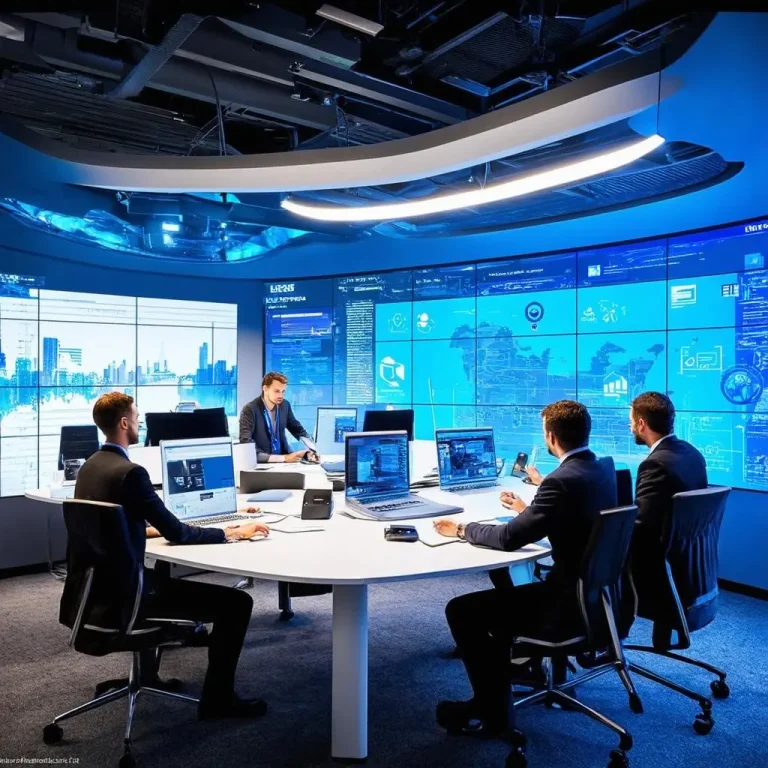
In today’s fast-paced corporate world, audiovisual (AV) systems are a crucial part of organizational infrastructure, enabling seamless communication and collaboration. As an IT manager, possessing the right skills and knowledge to oversee these systems is essential. Let’s explore the fundamental competencies needed to manage AV environments effectively.
The Core Skills Every IT Manager Needs
IT managers should focus on building a robust foundation in AV systems to ensure smooth operations. Key skills include understanding AV hardware and software components, effective system integration, network expertise, and troubleshooting. Proficiency in these areas allows IT managers to anticipate issues, streamline operations, and maintain high-quality AV experiences within their organizations.
- AV Hardware & Software Knowledge: A thorough understanding of the equipment used in AV systems, from projectors and cameras to complex software solutions, forms the backbone of competent management.
- System Integration: Expertise in integrating AV systems with existing IT infrastructure ensures that all components work together seamlessly, enhancing overall organizational productivity.
- Networking Skills: As AV systems often operate over networks, a solid grasp of network protocols and security measures is crucial to prevent downtime and protect sensitive data.
- Troubleshooting Abilities: The ability to quickly diagnose and resolve issues keeps systems running smoothly, reducing disruption to business activities.
Emerging Trends in AV Technology
Staying informed about the latest trends in AV technology is imperative for modern IT managers. These advancements not only improve system functionality but also open new avenues for organizational innovation.
- Cloud-Based Solutions: Cloud technology is revolutionizing the way AV systems are managed, offering flexibility, scalability, and cost-effectiveness. IT managers should be adept at leveraging cloud platforms to enhance AV services.
- Mobile Integration: With mobile devices becoming ubiquitous in corporate settings, integrating them into AV systems can enhance connectivity and user experience.
- AI and Automation: Artificial intelligence and automation are increasingly being incorporated into AV systems, optimizing performance and providing predictive maintenance insights.
Learning from Industry Leaders
To effectively manage AV systems, it’s beneficial to gain insights from industry leaders who are shaping the future of AV technology. Engaging with professional networks, attending conferences, and participating in webinars can provide valuable perspectives and innovative strategies.
- Networking and Collaboration: Building connections with other professionals in the AV industry facilitates the exchange of ideas and solutions, fostering innovation.
- Continuous Education: Pursuing certifications and training programs keeps IT managers up-to-date with the latest technological advancements and best practices.
- Case Studies and Real-World Applications: Learning from case studies and practical applications of AV systems in corporate environments provides hands-on insights that can be applied to your organization.
Strategic Professional Development
Remaining competitive in the AV industry requires ongoing professional development. IT managers should strategically build their career paths by focusing on areas that offer the greatest impact.
- Specialized Training Programs: Engaging in training specific to AV technologies enhances technical skills and provides a competitive edge.
- Technical Certifications: Earning certifications from recognized organizations validates expertise and increases credibility in the field.
- Leadership and Management Skills: Developing soft skills such as communication and leadership ensures that IT managers can lead their teams effectively and manage projects efficiently.
Staying Ahead in the Evolving AV Landscape
As AV technology continues to evolve, IT managers must proactively adapt to maintain their organizations’ competitive advantage. By cultivating essential skills, embracing emerging trends, and committing to continuous learning, IT managers can drive innovation and efficiency, ensuring a successful integration of AV systems in their corporate environments.
In conclusion, managing AV systems in today’s dynamic landscape requires a multifaceted approach. By focusing on foundational skills, staying on top of technological advancements, and prioritizing professional growth, IT managers can effectively oversee their organization’s AV infrastructure, enhancing productivity and fostering a culture of innovation.

- Transforming Workspaces: The Future of AV Integration - February 19, 2025
- Transforming Remote Work: How AV Technology is Paving the Way - February 18, 2025
- Revolutionizing AV Integration: Embrace the Cloud - February 17, 2025