In today’s fast-paced business world, integrating cutting-edge audiovisual (AV) technology is not just an option—it’s a necessity. Businesses are continually seeking ways to enhance communication, streamline operations, and boost productivity. AV integration presents a unique solution, enabling organizations to operate more efficiently and effectively. Let’s explore some of the latest trends in AV integration and discover how they can transform business environments.
Embracing Cloud-Based Solutions
One of the most significant trends in AV integration is the shift towards cloud-based solutions. Cloud platforms offer unparalleled flexibility and scalability, making them an attractive option for businesses of all sizes. By utilizing cloud services, companies can easily manage their AV systems remotely, update software with minimal disruption, and ensure continuous operation regardless of physical location.
For IT managers, the benefits are substantial. Cloud-based AV solutions reduce the need for on-premises hardware, lowering maintenance costs and freeing up valuable resources. Additionally, these platforms often come with advanced security features, safeguarding sensitive information and ensuring compliance with regulatory standards. Embracing cloud technology not only enhances system reliability but also supports seamless collaboration across distributed teams.
Enhancing Interactivity with Touch Technology
As businesses strive to create more engaging and interactive experiences, touch technology continues to rise in prominence. From interactive displays in meeting rooms to kiosks in lobbies, touch technology fosters a more dynamic and participatory environment. Interactive screens can transform static presentations into immersive experiences, making it easier for teams to collaborate and make informed decisions.
For AV professionals, incorporating touch technology into corporate spaces can dramatically improve user engagement. By providing intuitive, user-friendly interfaces, organizations can enhance productivity and ensure that employees make the most of their collaborative tools. Whether it’s through interactive whiteboards or advanced video conferencing systems, touch technology is reshaping the way businesses approach team interaction.
The Rise of Hybrid Meeting Solutions
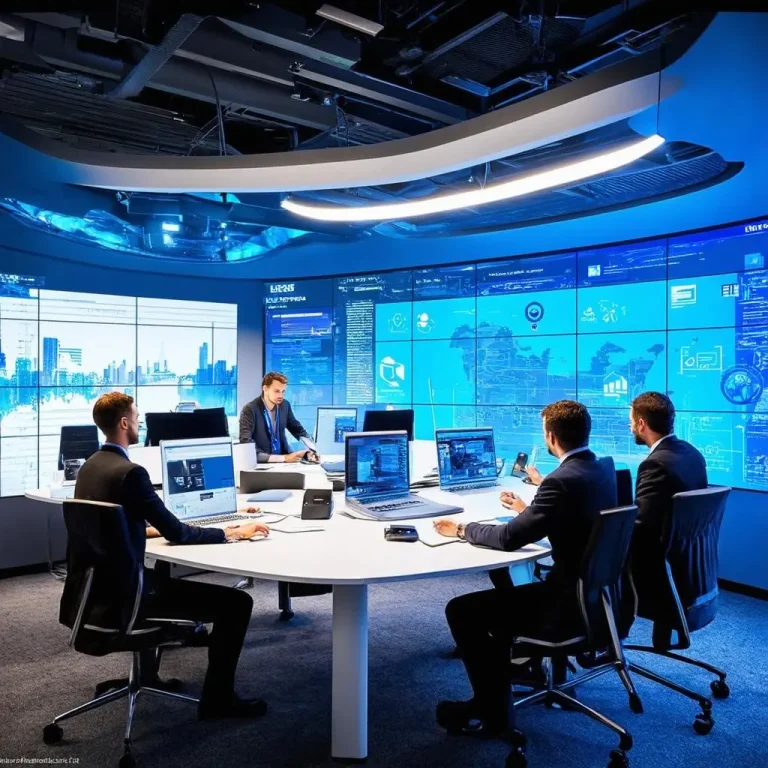
The landscape of corporate communication has been forever changed by the rise of remote work and hybrid meetings. As businesses continue to adapt, integrating solutions that bridge the gap between in-person and virtual participants has become crucial. Hybrid meeting solutions, such as advanced video conferencing platforms and integrated AV systems, ensure that all participants have an equal voice, regardless of their location.
IT managers play a vital role in implementing these systems, ensuring that audio and video quality is optimized and that the technology is accessible to all users. Advanced features like noise cancellation, automatic camera adjustments, and real-time transcription services minimize distractions and promote a more cohesive meeting experience. By leveraging these technologies, businesses can foster greater collaboration and inclusivity, paving the way for more effective communications.
Streamlining Operations with Automated Systems
Automation is a driving force in modern AV integration, offering businesses the tools they need to streamline processes and reduce human error. Whether it’s automating routine tasks like equipment scheduling and management or using AI-powered analytics to improve performance, automated systems enhance operational efficiency and free up valuable employee time.
For AV professionals, the challenge lies in implementing these technologies in a way that complements existing systems and meets organizational goals. By focusing on customization and adaptability, automated systems can be tailored to address specific business needs, providing long-term benefits and a competitive edge in the marketplace.
Prioritizing Sustainability with Green AV Solutions
Sustainability is a growing concern for businesses worldwide, and the AV industry is no exception. Green AV solutions are designed to minimize environmental impact, utilizing energy-efficient technologies and sustainable practices. By prioritizing eco-friendly AV systems, businesses can reduce their carbon footprint and demonstrate a commitment to environmental responsibility.
Sustainable AV solutions often feature low-power consumption components, longer life spans, and recyclability, making them a smart choice for forward-thinking organizations. By working closely with AV professionals, businesses can implement strategies that align with their sustainability goals, while still achieving the high performance and reliability they require.
Conclusion
Maximizing AV integration is about more than just adopting the latest tech—it’s about leveraging these advancements to create more efficient, interactive, and sustainable business environments. By staying informed of emerging trends and considering their potential impact, IT managers and AV professionals can drive innovation and enhance their organization’s capabilities. Embracing these changes equips businesses to thrive in a rapidly evolving world, positioning them for continued success and growth.

- Transforming Workspaces: The Future of AV Integration - February 19, 2025
- Transforming Remote Work: How AV Technology is Paving the Way - February 18, 2025
- Revolutionizing AV Integration: Embrace the Cloud - February 17, 2025