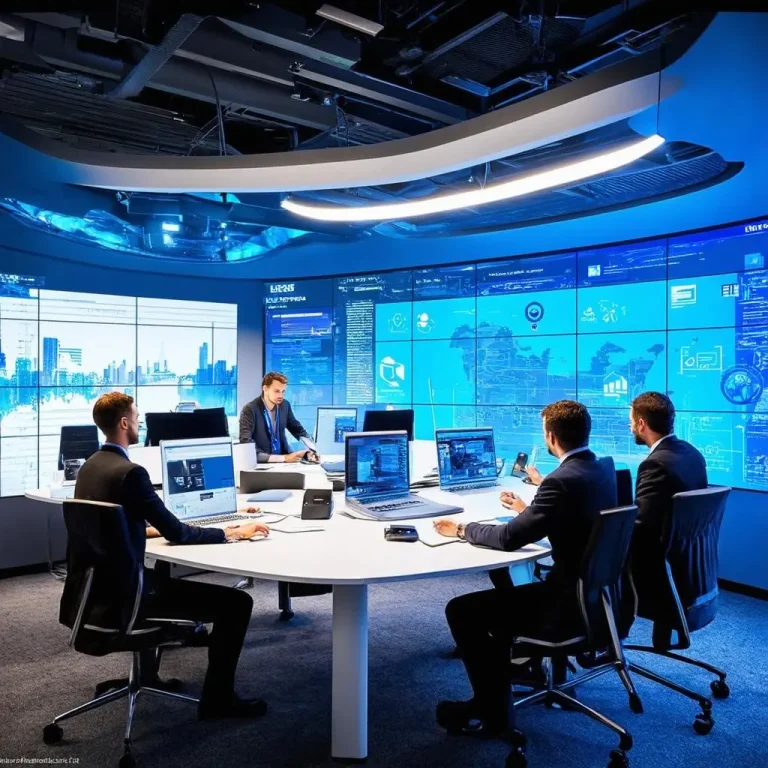
In today’s dynamic corporate landscape, transformation is the key to remaining competitive and efficient. At the heart of this evolution is audiovisual (AV) technology, which is redefining workspaces by enhancing collaboration and user experiences. Let’s delve into how these innovations are shaping the future of corporate environments and what this means for professionals in the industry.
Revolutionizing Collaboration with AV Integrations
AV technology has moved beyond basic audio and video capabilities. Today, it offers integrated solutions that foster seamless collaboration among teams, no matter where they are. With video conferencing tools that provide crystal-clear audio and video quality, distributed teams can connect as if they’re in the same room. Moreover, interactive whiteboards and smart displays are enabling collaborative brainstorming sessions that are more engaging and productive.
Incorporating AV integrations that allow for advanced screen sharing and real-time collaboration means meetings are no longer confined to traditional boundaries. Teams can share documents, annotate in real-time, and work collectively in a much more interconnected way.
Smart Office Solutions: A Leap Towards Enhanced Productivity
The rise of smart office technologies is also significantly impacting the workplace. These solutions, powered by AV technology, are making office environments more adaptable and efficient. Automated control systems for lighting, temperature, and presentation equipment allow for personalized settings and energy savings, thus creating an environment that fosters focus and efficiency.
Feedback from industry experts suggests that the integration of Internet of Things (IoT) with AV technology is an emerging trend. Smart sensors and devices that communicate with each other are transforming ordinary offices into smart, responsive environments. This integration ensures that workspace setup is optimized for productivity without unnecessary manual adjustments, allowing professionals to focus on their core tasks.
Expert Insights and Future AV Trends
Looking ahead, the future of AV technology in workspaces seems promising and exciting. Experts predict an increased emphasis on augmented and virtual reality (AR/VR) technologies, which are set to revolutionize training and presentation methods. These immersive technologies can create simulations that provide insightful, hands-on experiences without leaving the office.
Moreover, artificial intelligence is expected to play a significant role in automating more aspects of the AV processes, from optimizing connectivity to personalizing user experiences based on preferences learned over time. Machine learning algorithms could provide valuable data metrics to help organizations make informed decisions about their AV setups and utilization.
Practical Advice for Implementing AV Technologies
For those looking to implement these innovative solutions, here are some practical steps:
-
Evaluate Needs: Assess the specific needs of your workplace to determine which AV technologies can add the most value.
-
Plan for Scalability: Choose solutions that can grow with your organization, supporting additional features and integrations as required.
-
Focus on User Experience: Prioritize technologies that are intuitive and enhance user comfort and accessibility.
-
Engage Experts: Collaborate with AV specialists who can provide insights and guide effective implementation tailored to your environment.
-
Stay Informed: Keep abreast of the latest AV advancements to continually adapt and harness the best tools available.
Integrating advanced AV technology is more than a trend; it’s an essential element of modernizing workspaces to meet the demands of the future. By embracing these innovations, organizations not only unlock new levels of efficiency and collaboration but also position themselves at the forefront of a rapidly evolving digital age. Whether you’re an IT manager, AV integrator, or industry specialist, understanding and leveraging these technologies is critical for driving forward-thinking business growth.

- Transforming Workspaces: The Future of AV Integration - February 19, 2025
- Transforming Remote Work: How AV Technology is Paving the Way - February 18, 2025
- Revolutionizing AV Integration: Embrace the Cloud - February 17, 2025