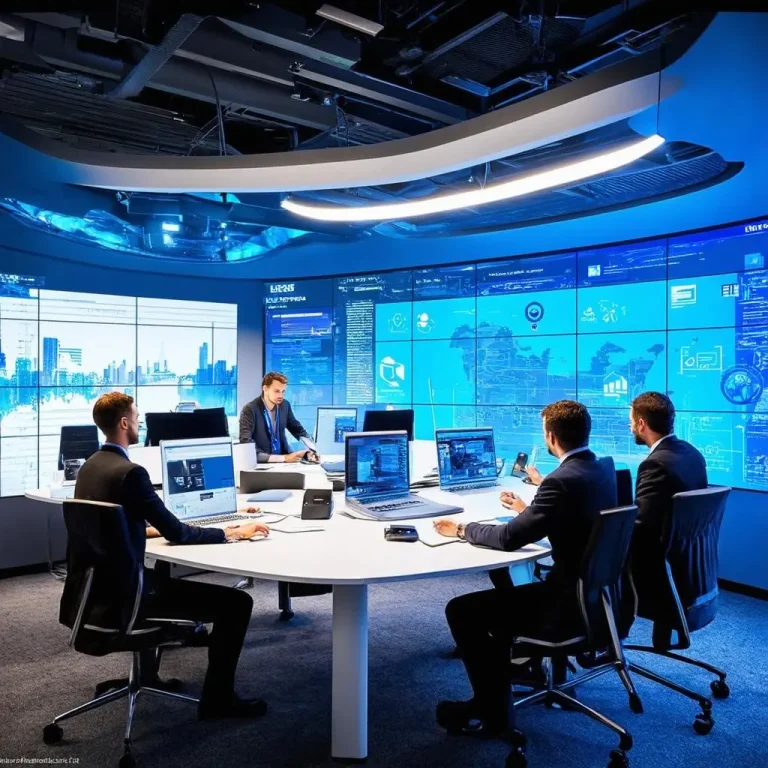
In today’s fast-paced corporate world, seamless audiovisual (AV) integration is not just a luxury—it’s a necessity. Companies demand technology that not only functions flawlessly but enhances productivity and user experience. Let’s explore how to achieve seamless AV integration and transform corporate environments into hubs of efficiency and engagement.
Understanding the Needs of Your Environment
The first step to successful AV integration is understanding the unique needs of your corporate environment. Every office space is different, and bespoke solutions are often necessary. Conduct audits of the spaces to assess requirements, evaluating boardrooms, huddle spaces, and large conference areas individually. Consider factors like room size, seating arrangements, and the types of meetings frequently held.
By identifying the specific needs, you can tailor the AV solutions to enhance communication and collaboration. For instance, smaller venues might benefit from interactive displays and wireless projection systems, while larger spaces could need robust sound systems and advanced conferencing tools.
Choosing the Right Technologies
An essential aspect of seamless AV integration is choosing the right technologies that align with your objectives. Start by selecting user-friendly equipment that aligns with the company’s technological ecosystem. This includes projectors, displays, microphones, speakers, and control systems.
Interoperability is crucial—ensure that selected AV tools can communicate with existing IT systems. Technologies like cloud-based platforms and mobile device management can enhance integration by allowing for better control and flexibility.
Don’t overlook the power of automation. Automated systems simplify operation, reduce user error, and save time—such as automatically adjusting lighting, lowering screens, and activating projectors with a single touch. These technologies minimize distractions and keep the focus on the meeting at hand.
Implementing Best Practices
After identifying the right technologies, focus on integrating them with industry best practices. Start with professional installation and configuration by trained AV specialists. This ensures that equipment is optimized for the space.
Additionally, provide comprehensive training for end-users. The most sophisticated system won’t be effective if the users aren’t comfortable or familiar with the controls. Offer training sessions and provide easy-to-follow manuals or digital help guides.
Regular maintenance and updates are vital to avoid disruptions and ensure the system’s longevity. Schedule routine check-ups and upgrade firmware when necessary to keep everything running smoothly.
Creating Cohesive Systems
To maximize user experience and productivity, create cohesive AV systems. This involves considering how different technologies work together to form a unified solution. Focus on integration between video conferencing tools, scheduling software, and collaboration platforms.
Imagine a scenario where a user can book a meeting room from their mobile device, automatically reserve the required equipment, and integrate it with their calendar—all in seconds. These kinds of seamless interactions reduce complexity and enhance efficiency.
Enhancing Engagement and Productivity
The ultimate goal of AV integration is to boost engagement and productivity. Well-integrated technology can transform how teams collaborate, making meetings more dynamic and interactive. Uninterrupted video calls, crystal-clear audio, and interactive presentations drive engagement and foster a collaborative atmosphere.
With the right AV systems, corporates can reach new levels of productivity. Employees can focus on creative problem-solving and collaboration rather than being bogged down by technical hitches.
By understanding the environment, selecting the right technologies, implementing best practices, and creating cohesive systems, corporate environments can achieve seamless AV integration that enhances user experience and promotes a productive workplace. As technology evolves, staying up-to-date and adaptable will ensure that corporate AV systems continue to support business goals efficiently and effectively.

- Transforming Workspaces: The Future of AV Integration - February 19, 2025
- Transforming Remote Work: How AV Technology is Paving the Way - February 18, 2025
- Revolutionizing AV Integration: Embrace the Cloud - February 17, 2025